
Stabilizing Futures: Mapping Housing Loss with AI
A project in partnership with New America, Bright Community Trust, Hunter College: Film and Media Studies, with support from the ACLS Digital Justice Seed Grant.
Previous support has also included the University of Florida, Digital Worlds Institute.
About
The Co-Creation Initiative at Hunter College, led by Amelia Winger-Bearskin, is launching a project to support individuals at risk of homelessness due to climate-related emergencies. This project, conducted in partnership with New America and Bright Community Trust, uses advanced AI to gather data, inform policy, and connect individuals facing housing instability with critical resources. By examining how AI and data-driven approaches can help prevent housing loss, this project addresses the intersections of climate change, homelessness, and equitable access to resources, with significant potential to inform and shape policy responses.
Watch our explainer video
As research from the leading non-profit organization Community Solutions shows, AI holds both transformative promise and real risks within housing and homelessness response systems. Since eviction prevention data is rare, developing a framework for data processing with AI tools is not only vital but also requires new modes of working, development, and design. Our explainer video offers a brief overview.
HMIS AI Automation Demo
Created at the AI Climate Justice Lab, led by Amelia Winger-Bearskin
Research Assistant Luke Sutor demonstrates his preliminary explorations in AI, Automation, and the Homeless Management Information System (HMIS), a federal data protocol.
Listen to our podcast
The Stabilizing Futures Podcast “Good for What” features leading experts, researchers, journalists, policymakers, and executives at the forefront of the movement to end homelessness, and explores how their work might benefit from artificial intelligence tools, frameworks, and opportunities.
Our first three episodes will launch in May 2026
Meet the Team
-
![]()
Traci Blue
Bright Community Trust
-
![]()
Yulia Panfil
New America
-
![]()
Frank Wells
Bright Community Trust
-
![]()
Amelia Winger-Bearskin
Hunter College
-
![]()
Sabiha Zainulbhai
New America
-
![]()
Srushti Kamat
Algae Media
-
![]()
Rowan Haber
Director / Filmmaker
-
![]()
Luke Sutor
Research Assistant, University of Florida








Data, Housing and AI
How can artificial intelligence be used to better inform local policy leaders on housing loss, instability and response? The following are relevant articles from New America exploring this intersection.
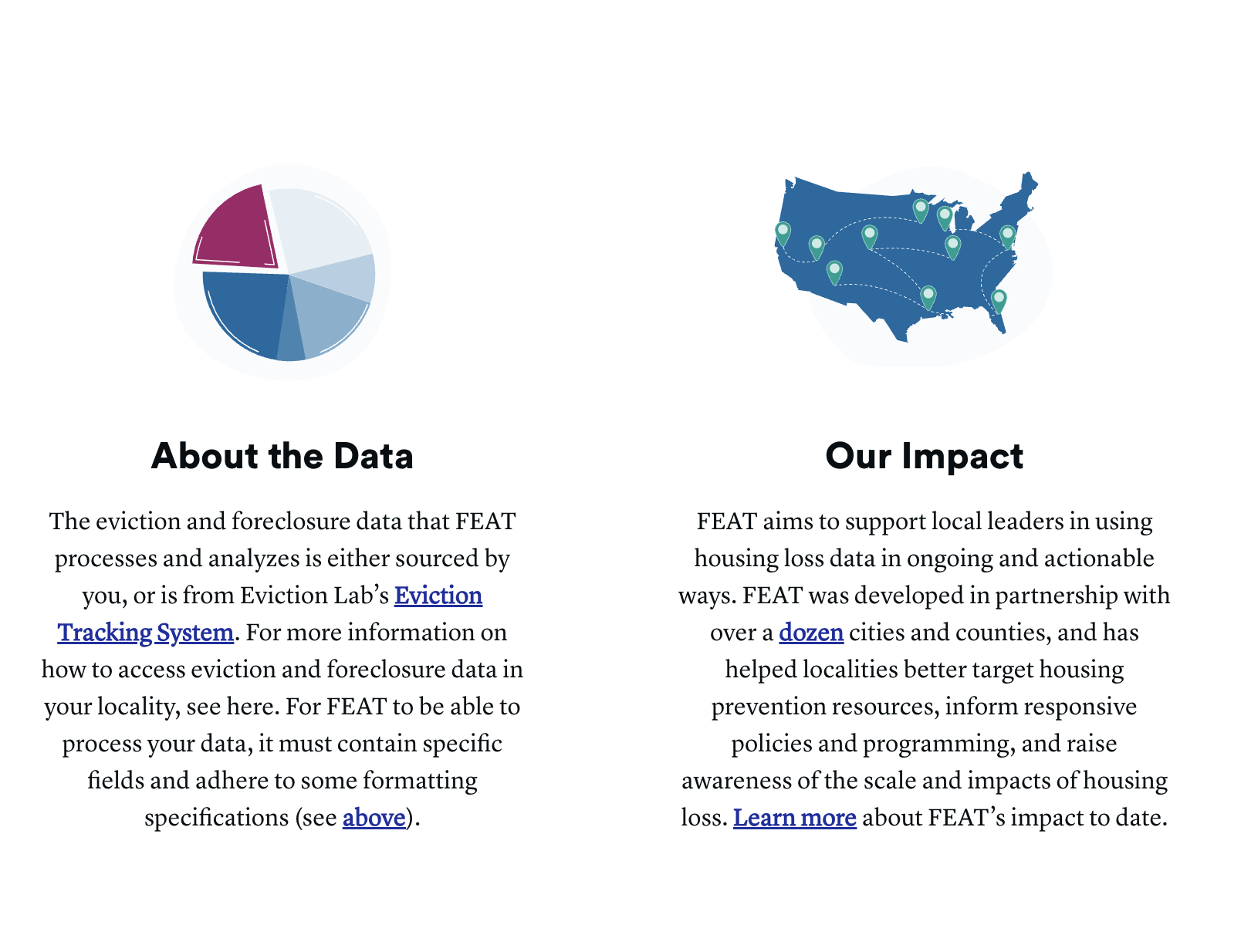
Foreclosure and Eviction Analysis Tool (FEAT)
FEAT helps local leaders better understand housing loss in their communities. Policymakers, city and county government officials, journalists and community advocates can use FEAT to better understand where and when housing loss is occurring, and who is most impacted.
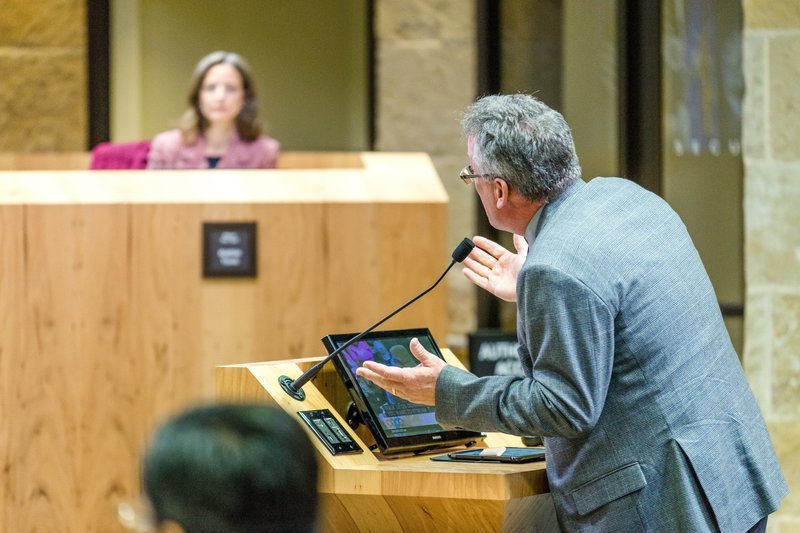
Talking Points: How Better Eviction Data Helps Prevent…
Intended for advocates, researchers, housing staff, and other local leaders, this resource provides arguments for why improved access to and analysis of eviction data is useful, from court efficiencies and cost savings to improving early intervention with vulnerable tenants.
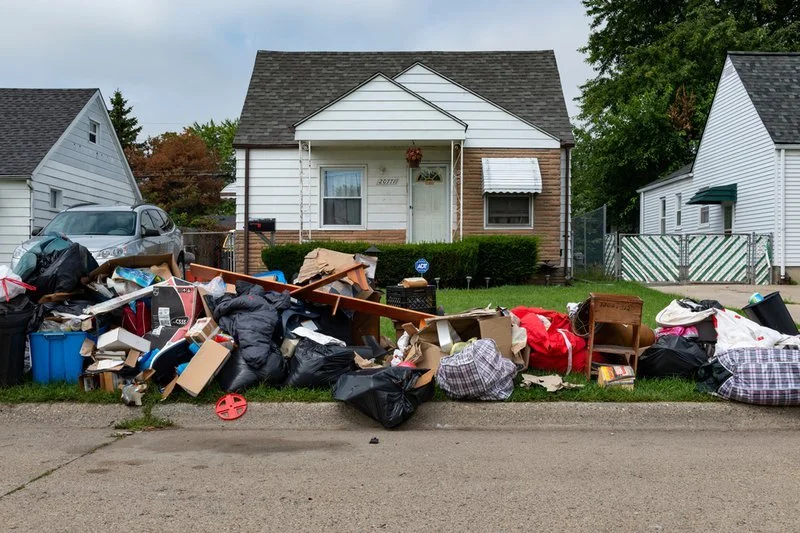
Improving Eviction Data
We lack quality data on the most common form of displacement in the United States—eviction. Eviction has become one of the most visible manifestations of America’s housing crisis, with millions of families facing eviction each year. How can we address these data gaps, locally and nationally?